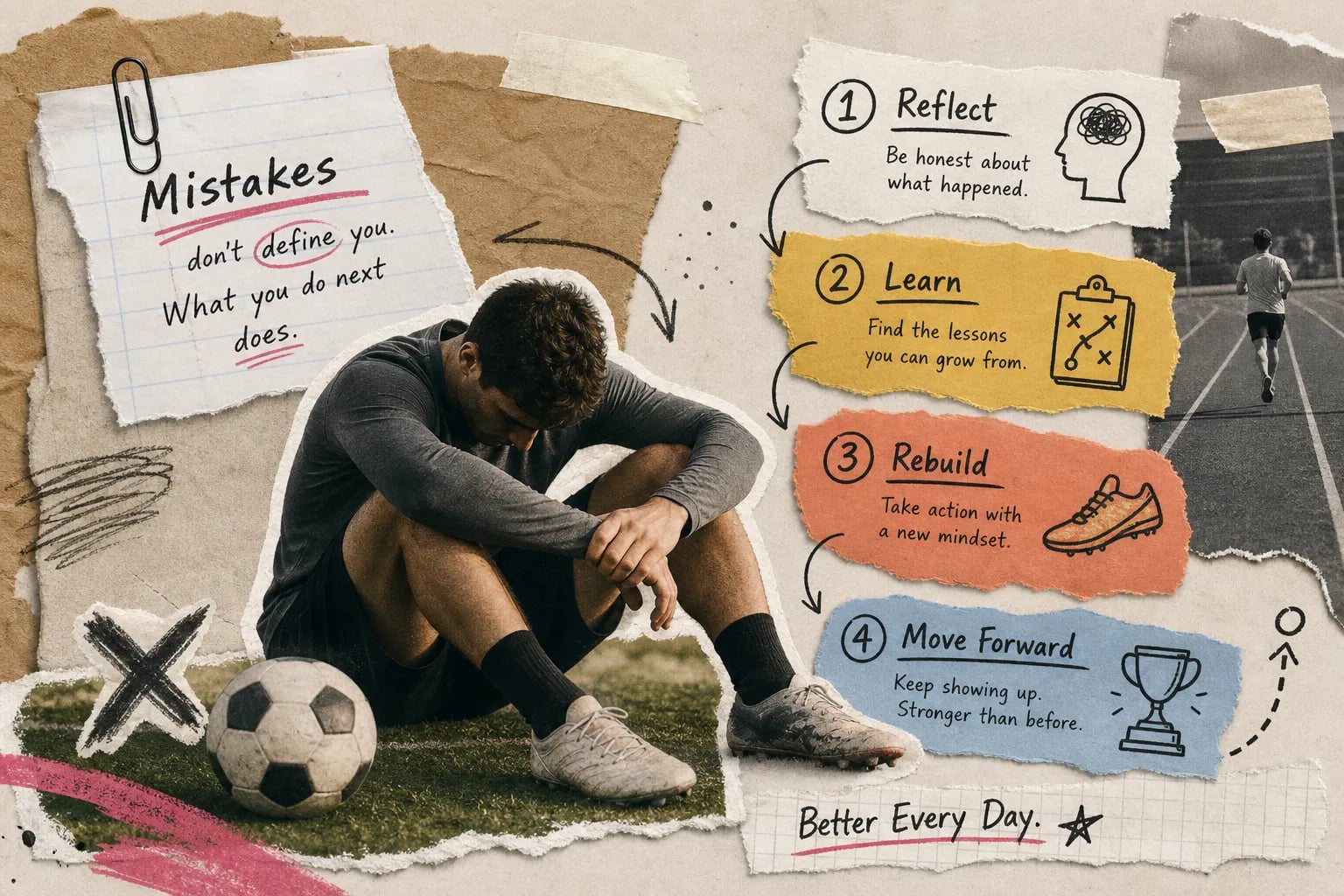
Everyone has at least one mistake they can’t stop thinking about. Maybe it was a bad investment, a relationship that fell apart, a career move that cost you more than you expected, or a political identity you no longer recognize as your own. These aren’t the kind of mistakes you shake off by morning. They’re tied to your sense of who you are, and that’s what makes them so hard to move through. Learning from mistakes like these, the ones that cut deep, takes more than good intentions. It takes a process.
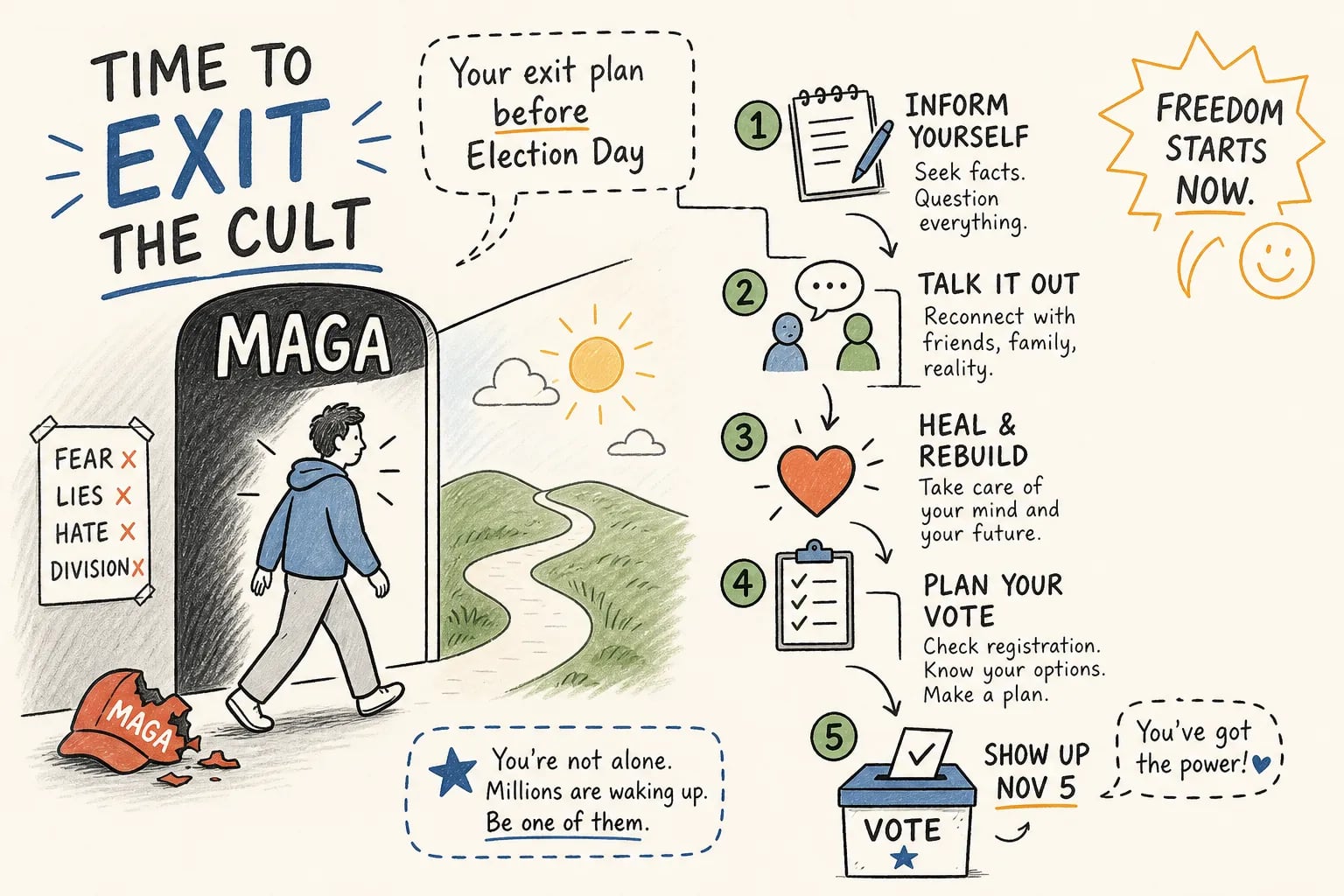
At the Leaving MAGA Guide, we work with people every day whose deepest regret is a political choice they made with full conviction. Watching them move through that process has made one thing clear: the framework for turning any major mistake into real growth is the same, no matter what the mistake was. What separates people who grow from regret and people who stay stuck in it isn’t intelligence or character. It’s a process. This article gives you that process, step by step.
Why regret keeps recycling when you skip honest reflection
Replaying the mistake vs. actually analyzing it
There’s a real difference between replaying a mistake and actually analyzing it. Most people do the first and call it reflection. You loop through the memory, feel the sting again, and convince yourself you’re doing something productive. Research by psychologist Ethan Kross on rumination and self-reflection shows that unstructured mental replay after a mistake can actually reinforce negative self-perception rather than build insight. You’re re-experiencing the emotional memory, not extracting a lesson from it.
Think about someone who made a financial mistake. They keep replaying the moment they signed the contract, cringing every time. But they never ask what led them to that table in the first place, why they trusted that source, or what decision point came before the one that broke them. That’s the difference between feeling bad about a mistake and genuinely learning from it.
The three emotional traps blocking real growth
Shame, ego defensiveness, and a fixed mindset are among the most commonly observed reasons people don’t learn from their biggest mistakes. Shame turns the error into evidence of personal failure, so your brain tries to avoid looking at it directly. Ego defensiveness makes honest analysis feel like an attack on your identity, so you push back before you can take anything in. A fixed mindset tells you the mistake proves something permanent about you, which makes trying again feel pointless.
All three of these are normal human reactions, not character flaws. Naming them is the first step to getting past them. When you can say “I’m feeling defensive right now,” you’ve already created a little distance between the emotion and the analysis you need to do.
The mindset shift that makes learning from mistakes actually possible
Treating failure as information, not a verdict
A mistake is data, not a definition. When you approach an error the way a scientist approaches a failed experiment, you stop asking “what’s wrong with me?” and start asking “what went wrong in the process?” This shift isn’t about being soft on yourself. It’s about being accurate. Carol Dweck’s research on growth mindset shows that when people treat failure as feedback about their approach rather than proof of fixed inability, they often become more persistent, more reflective, and more likely to actually change their behavior afterward, though the strength of that effect can vary depending on context and how the mindset is applied.
A verdict shuts the conversation down. Information opens it up. Those two responses to the same mistake lead to very different places over time.
Separating what you did from who you are
You made a decision. That decision had consequences. Neither fact makes you a bad person; they make you a person who now has a new data point. This separation is practical, not just comforting. June Price Tangney’s research on shame and guilt draws a clear distinction: guilt focuses on a specific behavior that can be changed, while shame focuses on the whole self, which makes people more likely to disengage or hide rather than repair.
Consider someone who voted for a political candidate they now deeply regret supporting. Their vote doesn’t define their values permanently. What they do next does. That reframe creates a compassionate but honest bridge between where you’ve been and where you’re going.
How to run a short, honest post-mortem for learning from mistakes
A five-question framework you can finish in 15 minutes
A personal After-Action Review doesn’t need to be complicated. Five questions, written down, will do more for you than hours of mental replaying. Start with: What did I intend? What actually happened? What led up to it? Why did it happen (ask why at least twice)? And finally: What would I do differently? Writing these out matters. Putting the event on paper shifts it from an emotional memory into something you can actually analyze, a shift supported by research on expressive writing and structured journaling versus unstructured rumination.
Try to do this as soon as possible after recognizing the mistake clearly, within a couple of days, while the details are still accessible. The goal isn’t to punish yourself. The goal is to turn a painful experience into a document you can learn from and update over time.
What root-cause analysis looks like for a life decision
Root-cause analysis means asking “why” more than once until you get past the surface symptom to an actual decision point where things could have gone differently. If you made a professional mistake, the first “why” might reveal a rushed timeline. The second “why” might reveal that you agreed to the timeline without pushing back because you were afraid of conflict. That second layer is where the real lesson lives, and it’s the layer most people never reach.
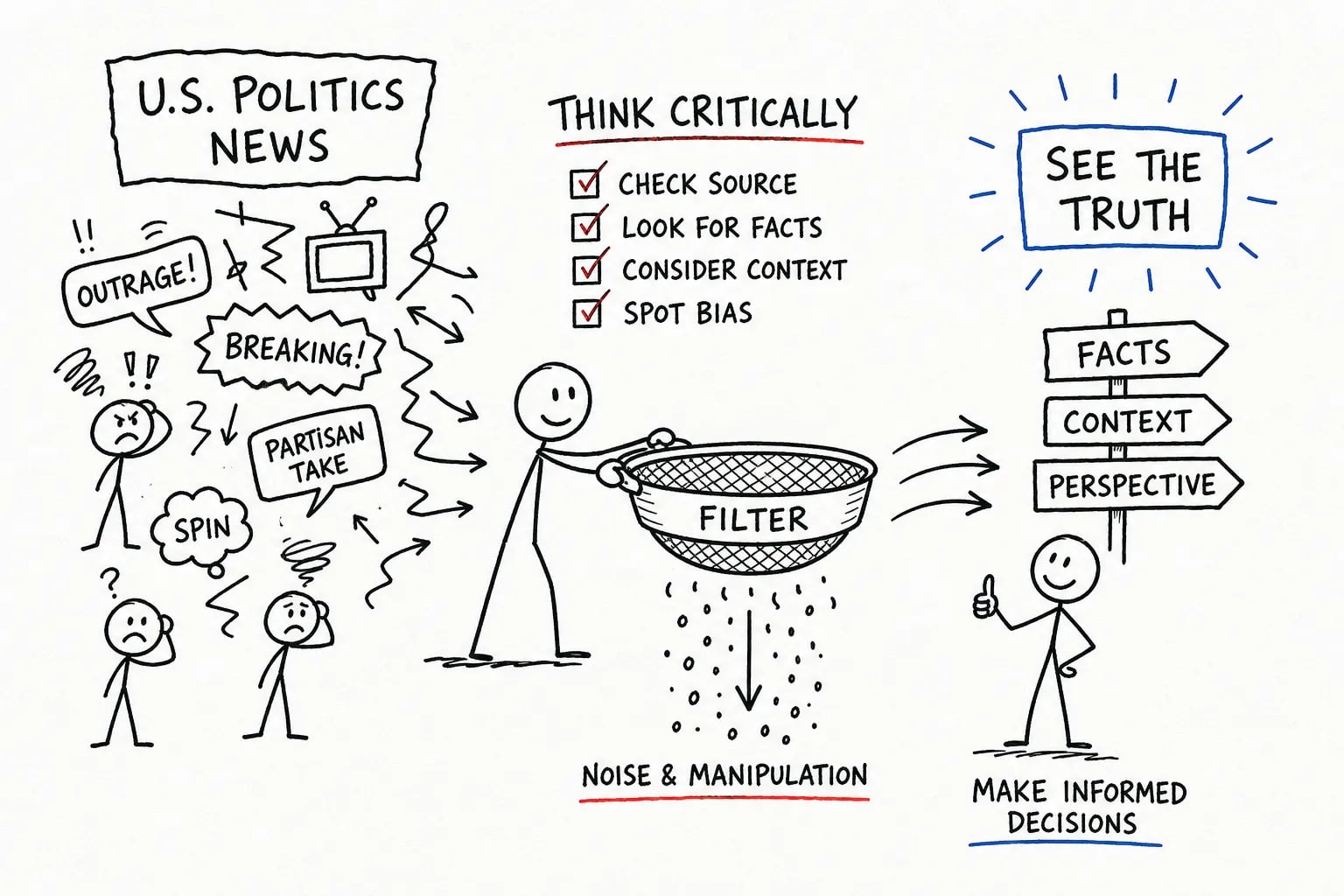
For political identity mistakes specifically, the root cause can often be linked to targeted persuasive messaging that exploited trust rather than to any failure of intelligence. Recognizing that doesn’t excuse the choice, but it does make the lesson more accurate and far less punishing.
Accountability without tearing yourself apart in the process
The difference between accountability and punishment
Accountability means owning a decision and its consequences clearly and factually. Punishment means piling shame and self-attack on top of those facts. One of these leads somewhere useful. The other keeps you circling the drain. Here’s what that looks like in practice. “I made a decision based on incomplete information, and it caused harm” is accountability. “I’m an idiot who always does this” is punishment. Only one of those sentences contains anything you can actually work with. The point isn’t to let yourself off the hook, it’s to stay precise enough to be useful to yourself going forward.
How to write a neutral, factual account of what happened
Write a one-paragraph summary of your mistake in plain, factual language. If the emotional charge is too high, write it in the third person first, as if you were describing someone else’s situation. This mirrors the “blameless post-mortem” approach used in high-stakes professional environments, and it works for personal mistakes too. Neutral language isn’t denial; it’s precision. You can’t fix what you can’t see clearly.
Compare these two sentences: “I was an idiot who got conned” versus “I trusted a source that turned out to be unreliable, and I didn’t verify the information independently.” The second version tells you something actionable. The first one just hurts.
Turning your lessons into a plan you’ll actually follow
From one lesson to one concrete action
Most people extract a lesson and stop there. A lesson that stays abstract doesn’t change behavior. It has to become a specific behavioral commitment. Peter Gollwitzer’s research on implementation intentions shows that if-then plans are far more effective at producing follow-through than vague intentions like “I’ll be more careful next time.” People who build concrete if-then plans persist more after setbacks, recover faster, and make more deliberate course corrections when old patterns resurface.
Use this format: “If I notice [trigger], I will [new response].” For example: “If I feel pressured to make a fast decision I haven’t researched, I will wait 24 hours before committing.” That specificity is what makes the change stick. Learning from mistakes only becomes real when the lesson takes that concrete form.
When the mistake is political, a structured course can close the gap
For some people, the mistake they most regret is a political identity they held with full conviction and are now stepping away from. That kind of regret is layered in a way most resources aren’t built to handle. It involves community, values, and self-image all at once, which is why a generic self-help framework only gets you so far.
If your biggest regret involves political choices of recent years, the “Focus to Pivot” course from Leaving MAGA Guide offers a structured corrective built specifically for this transition rather than borrowed from generic self-help frameworks. It walks through identity rebuilding exercises and guided reading practice designed to help you understand how the manipulation worked, reconnect with your actual values, and move forward with clarity rather than shame.
How to track whether you’re actually changing
Mistake journaling and streak tracking
A mistake journal isn’t a diary of failures. It’s a dataset. Each entry captures the trigger, the situation, and whether you applied your new response or defaulted to the old one. Over days and weeks, patterns become visible in a way that mental tracking never achieves. You start to notice which situations activate the old behavior, which is exactly what you need to intervene earlier next time.
Pair the journal with a simple streak tracker. Each day you apply your new if-then response, mark it. Each time the old pattern shows up, note the conditions and reset. Progress becomes something you can see, not just feel, and that visibility is motivating in a way that vague good intentions never are.
A weekly review that closes the loop
Set aside 10 minutes at the end of each week to read back through your log. Ask whether the mistake recurred and under what conditions. Identify what triggered any slip, and update your if-then plan based on what you learned. This weekly loop is what turns a one-time post-mortem into genuine behavioral change over time, because it treats the process as ongoing rather than finished.
The goal isn’t perfection. The goal is a shrinking gap between who you were when you made the mistake and who you’re choosing to become. That gap closes one honest week at a time.
Learning from the mistakes that define us, the path forward
Everyone has a mistake they can’t stop thinking about. The difference between people who carry that mistake as dead weight and people who carry it as hard-won wisdom comes down to this process: honest reflection, a mindset that treats failure as information rather than a verdict, a short structured post-mortem, and a concrete if-then plan backed by a tracking system that closes the loop. Each element builds on the last.
None of this requires tearing yourself apart. It requires looking at what happened with clear eyes and deciding what you’ll do differently starting now. The people who grow from their biggest regrets aren’t tougher or smarter than anyone else. They’re just willing to do the structured work of looking back so they can move forward with intention.
If your biggest regret involves a political identity you’re ready to leave behind, the “Focus to Pivot” course at Leaving MAGA Guide offers a structured, dignified path forward built around the specific psychological and civic work of leaving a movement, not generic advice that doesn’t quite fit. Whatever the mistake, the next chapter is still yours to write.