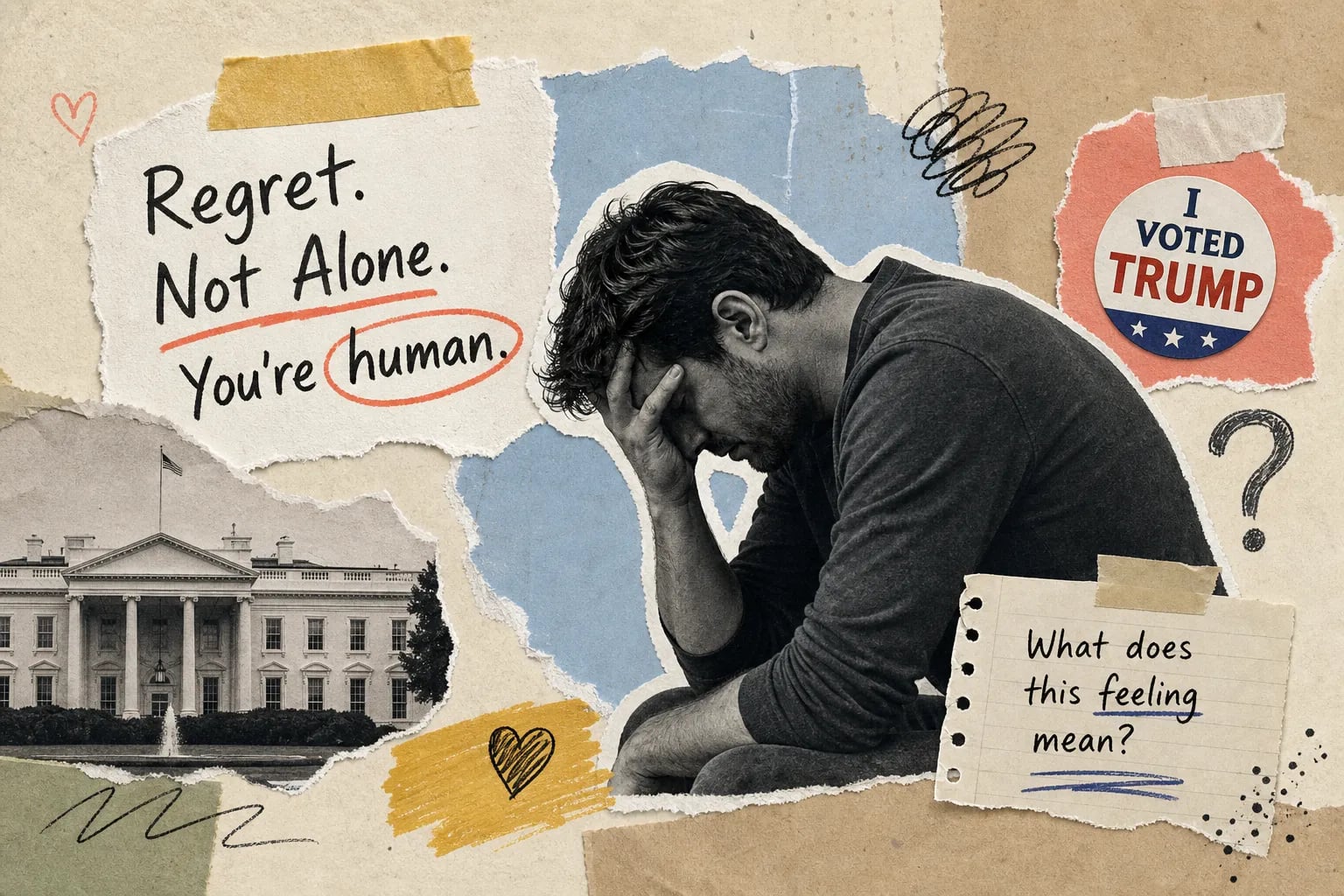
Something feels off. Maybe it’s been building for months. You don’t talk about politics the way you used to. You scroll past certain news stories faster. You feel something, but you can’t quite put a name to it yet.
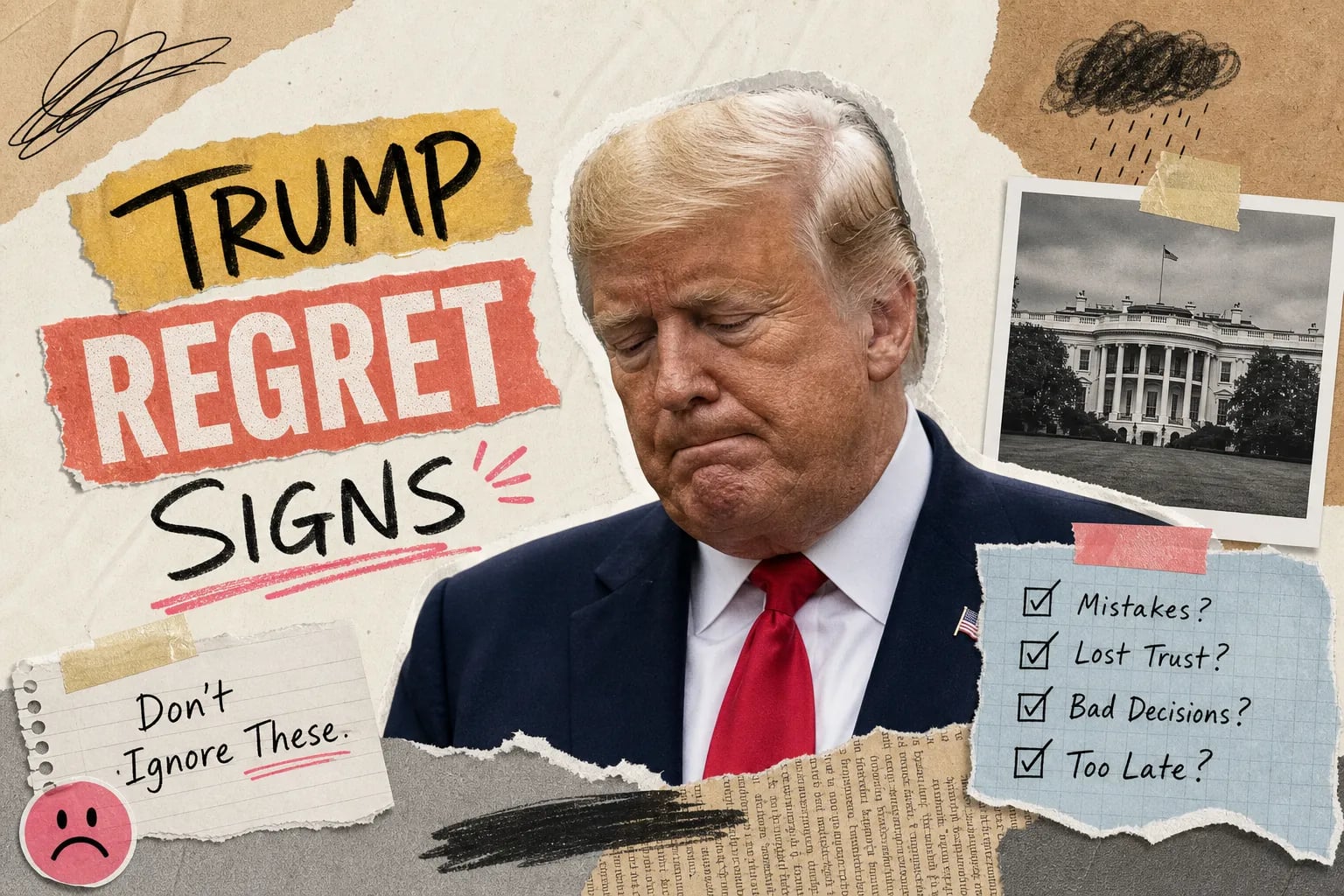
This article lays out 10 specific Trump regret signs: behavioral, emotional, and cognitive. Not to judge you. Not to tell you what to believe. Just to help you recognize what might already be happening inside you. If several of these sound familiar, that recognition matters more than you think.
You’re not alone in this. At Leaving MAGA Guide, staff have worked with many people going through exactly this kind of quiet internal shift, and these signs reflect what comes up again and again in those conversations. Read through them with an open mind.
Behavioral Trump regret signs: what you’re doing differently
These are the signs that show up in your daily habits before your brain has fully caught up. They’re often the earliest indicators that a shift is happening under the surface.
1. You’ve stopped bringing up politics the way you used to
You used to be the first one to share a clip, start a debate, or defend your position at the dinner table. Now you either stay quiet or change the subject. It’s not that you’ve lost the desire to talk. It’s that something feels uncertain, and defending something uncertain feels exhausting.
2. You’ve quietly removed or tucked away MAGA gear
The bumper sticker is gone. The hat is in a drawer. Maybe you’ve unliked some pages or deleted some posts. You haven’t announced anything to anyone, and you’re not planning to. You’re just making small, private adjustments that feel more comfortable right now, and that quiet action says something.
3. You find yourself avoiding Trump’s speeches or coverage
Where you once tuned in, now you tune out. You mute, you scroll, you switch to something else entirely. There’s an irritation there that didn’t use to exist. Staying away feels easier than explaining that irritation, even to yourself.
4. You’re reading or watching sources you never would have before
Not because someone told you to. Just because something isn’t adding up and you’re quietly looking for answers somewhere new. That intellectual curiosity breaking through old patterns is a significant signal. When the information bubble starts to feel uncomfortable, people start looking outside of it, a pattern documented among Trump voters reconsidering their support in post-election surveys.
Emotional Trump regret signs: what you’re actually feeling
Feelings are often louder than thoughts and harder to ignore. These emotional signs tend to be more personal, and sometimes more painful to sit with honestly.
5. A low-grade sense of shame or embarrassment has crept in
This one is uncomfortable to name. It might show up when politics comes up at a family dinner or when a coworker mentions something in the news. There’s a flicker of “I don’t want to have to explain myself.” That discomfort is data, not weakness. It means your values are bumping up against something that no longer fits.
6. Your anger has changed direction
You used to feel angry at the media, at Democrats, at the critics. Maybe some of that anger is still there. But there’s a new irritation pointed somewhere else: at broken promises, at chaos that wasn’t supposed to happen, at feeling like the plan didn’t work out the way you were told it would. This shift in voter sentiment shows up clearly in the data section below.
7. You’re carrying a quiet grief
This one surprises people. Grief isn’t just for losing people. You can grieve a belief you held tightly or a community that felt like home. Grieving a political identity that no longer fits feels strange, but it’s real. Psychological research on political identity loss confirms it: when a movement becomes deeply fused with your sense of self, leaving it can feel like losing a part of who you are.
8. You feel relief when things go wrong, then feel guilty about that relief
This is one of the most honest signs to watch for. When you notice yourself feeling some relief at bad news from the administration, and then immediately feeling conflicted about that relief, something important is happening. That internal tug-of-war is your values bumping up against your past commitments. It doesn’t make you a bad person. It makes you someone paying attention.
Cognitive signs of Trump regret: how your thinking is changing
These signs live in the mind. They’re about the questions you’re asking, often quietly, and the mental friction that wasn’t there before.
9. You’re questioning information you used to accept automatically
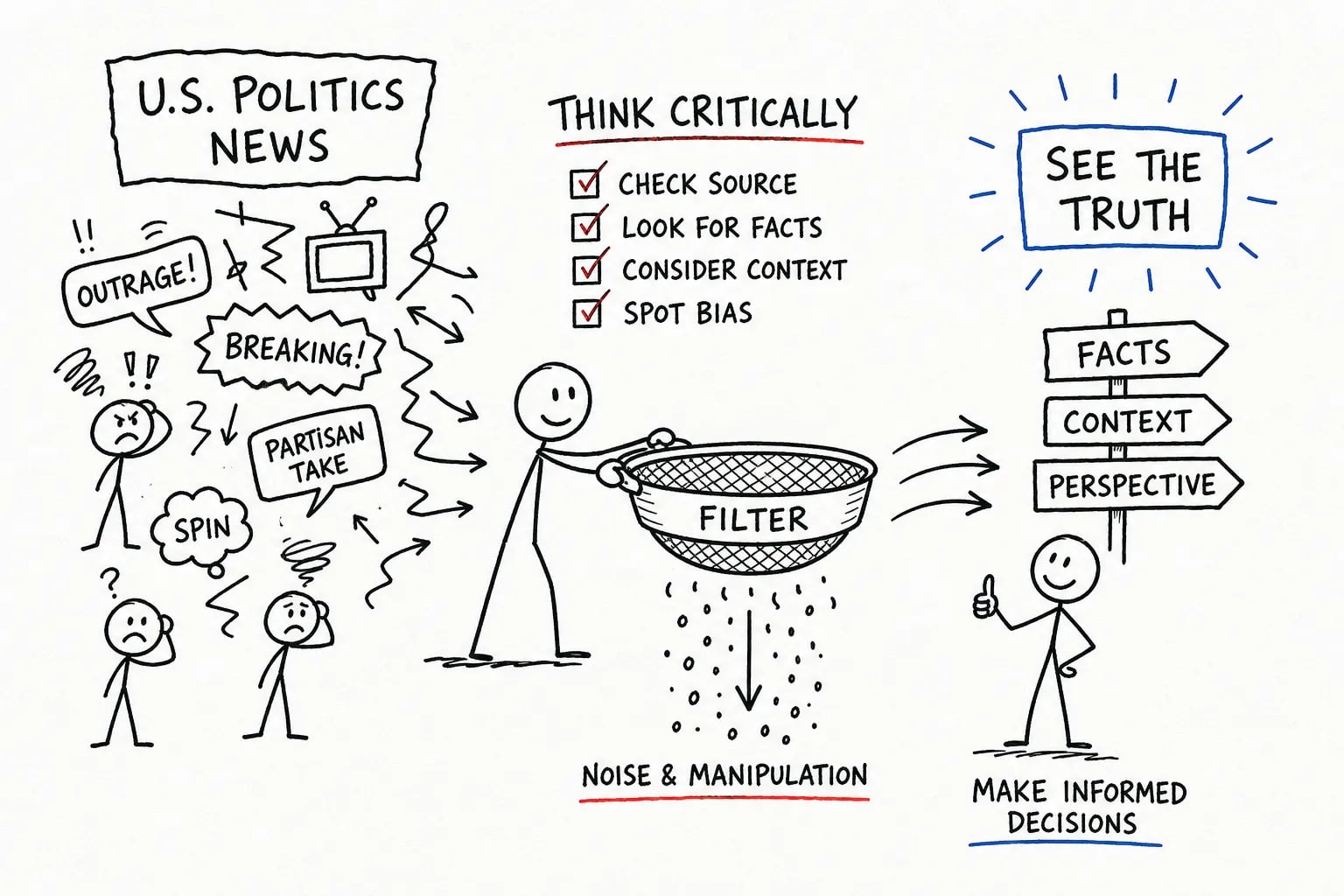
Sources you trusted feel shakier. Claims that used to seem obvious now prompt a “wait, is that actually true?” response in the back of your mind. That critical reflex returning is not weakness. It’s intellectual honesty breaking through. Research on how people leave cult-like group dynamics consistently shows that questioning trusted sources is one of the first and most important early-stage shifts.
10. You keep thinking “this isn’t what I voted for”
This phrase shows up again and again in focus groups with Trump voters who are reconsidering their choice. Cost of living. International conflict. Daily chaos that wasn’t part of the pitch. When the gap between what was promised and what is actually happening becomes too large to rationalize, post-election regret moves from a feeling to a conscious thought. That gap is real, and you’re not imagining it.
You’re not alone: what the numbers actually show
If you recognized yourself in several of those signs, here’s what the data says about where you stand in relation to others.
A March 2026 Verasight national survey found that roughly 13% of 2024 Trump voters say they regret their vote. Navigator Research, tracking Trump voter sentiment across multiple 2026 waves, puts that figure closer to 1 in 5. The numbers shift significantly when you look at specific groups: among Gen Z Trump voters, vote regret indicators climb to 31%. Among millennials, it’s 28%. Among Hispanic Trump voters, 16%. Among those earning under $50,000 a year, 11%.
In qualitative focus-group research conducted by Navigator Research across battleground states, Michigan, Pennsylvania, and Georgia, Trump voters described feeling “duped,” “complicit,” and simply let down. Their concerns centered on broken economic promises, ongoing conflict abroad, tariffs raising the cost of everyday goods, and a growing sense that the administration’s priorities didn’t match their own. These are not fringe voices. These are ordinary people in swing states who voted in good faith and now feel the gap between the promise and the reality.
Post-election regret, voter remorse, call it what you want. It’s a real, measurable, documented experience. Polling on Trump support shows regret is notably higher among younger voters, Hispanic voters, and lower-income households, though signs of regret among Trump voters appear across demographics. The experience you may be having has a name, and it belongs to a much larger group than you’d guess from looking around your own community.
What to do when you recognize these signs in yourself
Start with a private, honest self-assessment. The MAGA Compass is a free tool from Leaving MAGA Guide built exactly for this moment. It walks you through a series of reflective questions designed to help you clarify where you actually stand, politically, emotionally, and in terms of your own values. It’s private and judgment-free, and it gives you language for what you’ve been feeling without requiring you to announce anything to anyone.
Naming what you’re experiencing takes the pressure off. You don’t have to figure out the next step before you’ve processed this one. Psychological research on cognitive dissonance and identity transition consistently shows that people leaving a strong ideological group go through predictable stages: doubt, quiet distancing, a break, then grief and identity rebuilding. Many people are somewhere in the middle of that process before they even realize it’s started. Knowing where you are in it helps.
For people who want to go further, the Leaving MAGA Guide offers the MAGA EXIT training and the Focus to Pivot course, along with a community of people navigating the exact same transition. No shame. No political lectures. Just practical, step-by-step support for people ready to rebuild their sense of self on their own terms. The Sovereign Rewards content series is woven into that work, helping you picture and move toward life after this kind of identity shift.
The one thing worth doing today
Trump regret signs don’t always announce themselves loudly. They show up in small behaviors, quiet emotions, and shifting questions that build over time. If this article gave language to something you’ve been carrying without a name, that recognition matters. Something brought you here, and that’s worth paying attention to.
You don’t have to have everything figured out right now. You don’t have to make a public statement, pick a new party, or explain yourself to anyone. The one thing worth doing today is getting honest with yourself about where you actually stand. If these Trump regret signs resonate, take the free MAGA Compass assessment. Read through your results. Let yourself sit with what comes up.
The path forward starts with a clear-eyed look at where you are. That’s not disloyalty to anything. That’s self-respect. And it’s the first real step in building something more solid to stand on.